Bridging Traditions: Schubert’s Hebrew Psalm and Sulzer’s Synagogue Reforms
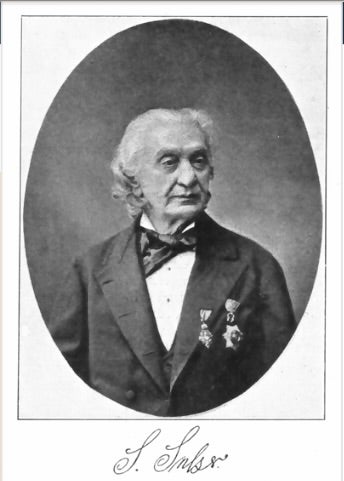
Through comparative listening, the Stories of Music: College Edition modules support the integration of Jewish music topics and history into a wide-range of university-level courses. Bridging Traditions: Schubert’s Hebrew Psalm and Sulzer’s Synagogue Reforms examines the intersection of Jewish liturgical music and the European choral tradition in early nineteenth-century Vienna, focusing on questions of reform, musical assimilation, and cross-cultural exchange.
Designed for instructors, this guide provides historical context, curated listening examples, and pedagogical tools for analysis and class discussion, addressing the following key areas:
- Jewish liturgical music was and remains an active, evolving tradition that engaged directly with contemporary European musical styles.
- Hebrew text-setting in the nineteenth century presented distinctive musical, linguistic, and interpretive challenges.
- Jewish musical life in German-speaking Europe is best understood through lived musical practices of collaboration, not solely through narratives of marginalization.
The guide includes curated listening examples from Salomon Sulzer’s “En komocho” from Schir Zion and Franz Schubert’s Psalm 92 (“Tov lehodos”), with multiple recordings representing differing performance practices and Hebrew pronunciations. Guided listening prompts, analytical observations, score resources, and discussion questions are provided for classroom use.
Instructors will engage students on questions such as:
- How did Sulzer and Schubert use text-painting to evoke the meaning of Hebrew texts?
- How do these works expand perceptions on European Jewish music’s interaction with art music?
- How and in what context(s) might this work be performed today? What changes might be made in considering historical informed performance, textual meaning, or modern accessibility for listeners?
This Stories of Music lesson is made possible in part thanks to the generous support of the Azrieli Foundation.
We are deeply grateful to the people who wrote these lessons:
Dr. Amanda Ruppenthal Stein
Our gratitude extends to the pedagogic advisors and reviewers of this lesson:
Dr. Mark Kligman, PhD, Mickey Katz Endowed Chair in Jewish Music, UCLA