The Journey of Women in the Reform Cantorate – Celebrating 50 Years of Sacred Leadership
The Journey of Women in the Reform Cantorate – Celebrating 50 Years of Sacred Leadership
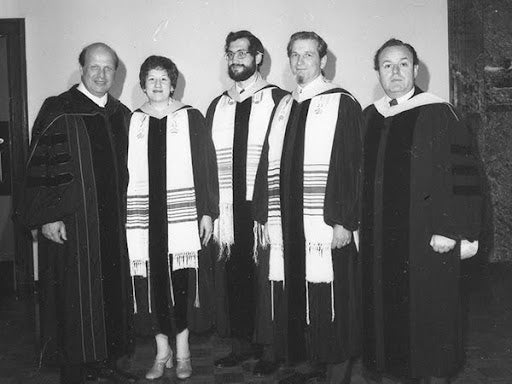
This lesson examines how women joined—and transformed—the Reform cantorate: a role encompassing prayer leadership, sacred song, and a caring, relational presence in Jewish life. Tracing the cantorate’s evolution from European synagogue models through American training and cultural change, learners will meet early trailblazers, first-generation pioneers, and today’s wide range of cantorial voices—while considering how tradition and innovation shape (and sometimes challenge) Jewish worship.
Designed for adults in a classroom, synagogue, or workshop setting (60–90 minutes), this lesson assumes no specialized musical background.
Through this lesson, learners will understand that:
- Pioneers and their allies broke barriers and widened inclusion, showing how mentorship and professional networks catalyze change.
- Women’s leadership has preserved and renewed Jewish liturgical tradition through a dynamic balance of continuity and innovation.
- Expanding who can lead changes the sound, feel, and impact of Jewish communal life.
- The story is ongoing—pointing toward a future where more voices are fully integrated into sacred leadership.
Learners will listen to music and liturgy that reflects major turning points in the cantorate’s sound and purpose—from 19th-century European masters (Lewandowski, Sulzer) and iconic cantorial performance (Koussevitzky) to contemporary innovators (Debbie Friedman, Kol B’Seder). Participants engage through guided listening, discussion (whole group and/or small groups), and brief reflective synthesis.
Materials: slideshow, audio playback, and basic projection/speakers (handouts optional).
Evidence of learning: learners share a short reflection or discussion takeaway connecting sound, history, and leadership.
Essential Questions:
- When has a prayer leader’s voice helped you feel safe enough to pray—and what made that possible?
- What is risked or lost when communities reimagine who can lead sacred music and prayer?
- Where do you feel tenderness or resistance when tradition changes, and what might that feeling be protecting?
- What do we lose when certain voices are missing from sacred leadership—and what becomes possible when they are present?
- Who helped you step into leadership, and how might you help widen the circle for someone else?
This Stories of Music lesson is made possible in part thanks to the generous support of the Azrieli Foundation.
Materials & Resources
We are deeply grateful to the two people who wrote these lessons:
Dr. Lorry Black
Cantor Kenneth Cohen
Our gratitude extends to the pedagogic advisors and reviewers of this lesson:
Dr. Mark Kligman, PhD, Mickey Katz Endowed Chair in Jewish Music, UCLA
Cantor Faryn Kates Rudnick
A special thank you to all of the members of the ACC that gave their time and wisdom to this lesson